

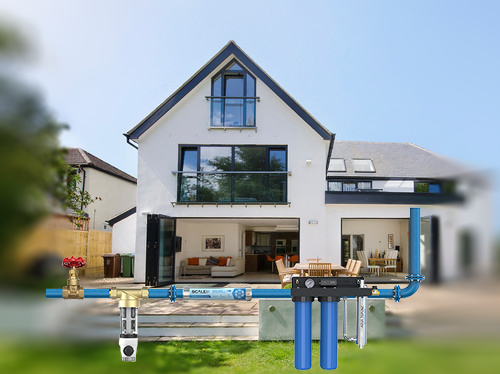
How to Build the Right Whole-House Water Purification System for You
In today's world, where water security issues are becoming increasingly severe, building a proper water purification system for households is of utmost importance. With the intensification of industrialization and environmental pollution, water sources may contain harmful substances such as heavy metals, chemical residues, and microorganisms, posing a threat to health. Even tap water, after treatment, may still contain residual chlorine and microorganisms. Therefore, a comprehensive water purification system can effectively remove these harmful substances, ensuring the cleanliness of drinking water. Moreover, calcium and magnesium ions in hard water can lead to limescale buildup, affecting the performance of household appliances and increasing energy consumption. A descaler can effectively prevent the formation of limescale, protect appliances, and save energy. An efficient water purification system can also reduce the need for bottled water, cutting costs and alleviating the environmental burden.
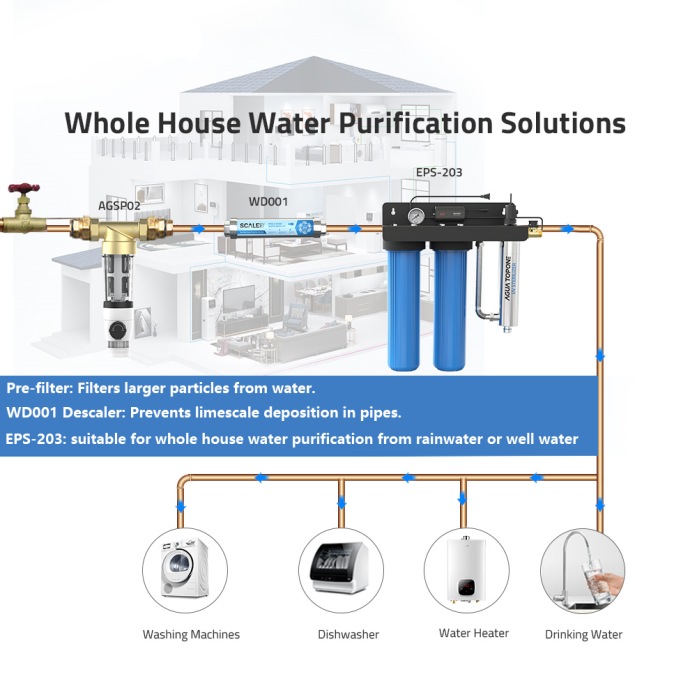
The first step in building the most suitable whole-house water purification system is to conduct an accurate assessment of your water quality. This process ensures that the water purification equipment you choose can effectively address the specific water quality issues present. Since the composition of water can be complex and unique, a single water treatment device cannot fully remove all contaminants. After assessing your water quality, an analysis can determine the necessary solutions. For instance, if your water contains large particles of suspended matter, a pre-filter is essential, as its primary function is to remove larger suspended particles. If the hardness level of your water exceeds 50 ppm, a water descaler will be needed as part of your whole-house water purification system. Additionally, if there is biological contamination in the water, a UV disinfection unit is indispensable.
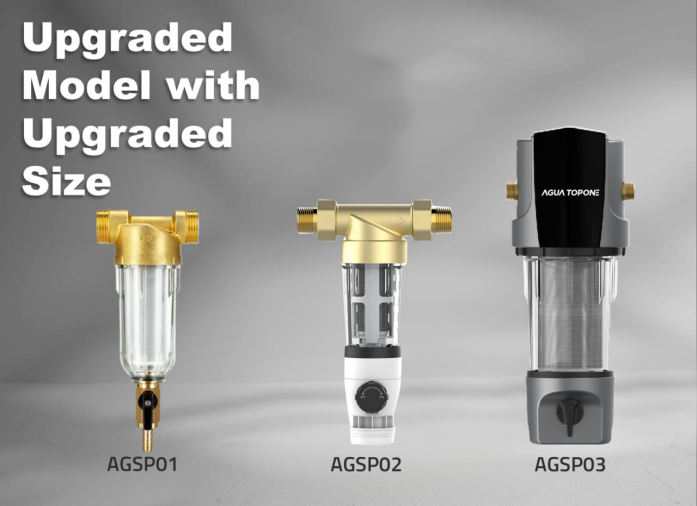
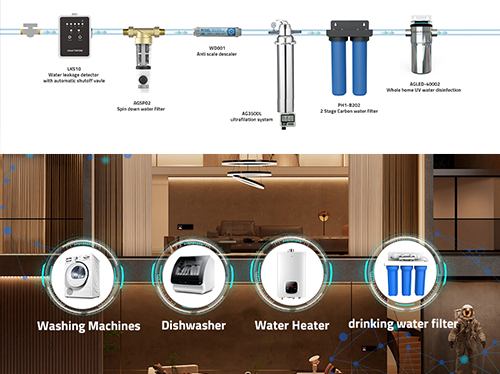
Pre-filter (Sediment Filter): The first line of defense in a water purification system, designed to prevent suspended particles in the water.
Sediment filters are crucial for filtration systems because they remove a large amount of contaminants that could clog and/or damage other filters.
Working principle: These filters capture dust, rust, and sand present in the water.
Advantages: They protect downstream filters in a multi-stage system, extending their life and effectiveness.
Recommendation: A sediment filter should be the first stage in any multi-stage filtration system, as it helps preserve the life and activity of other filters.
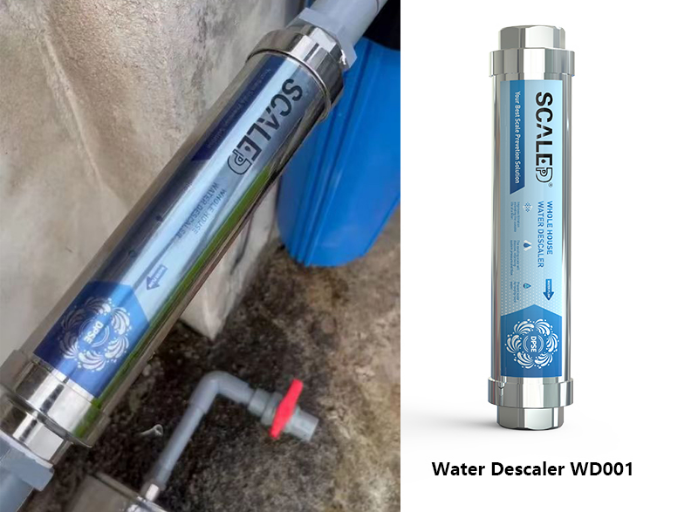
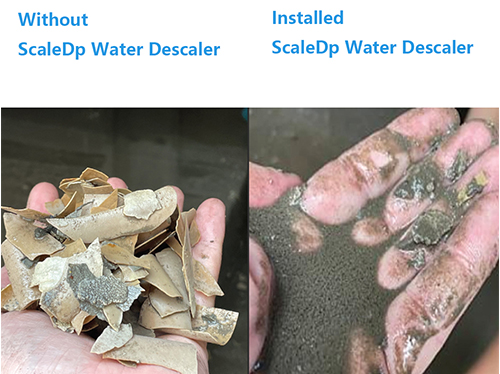
Water Descaler: It removes and prevents mineral deposits in water by altering the physical state or crystallization of calcium and magnesium ions, improving the internal environment of pipelines and preventing water quality contamination.
Advantages: By protecting pipes and equipment, it extends their lifespan and promotes energy-efficient operation. It does not use chemical additives, magnets, or electricity, and it preserves beneficial minerals by avoiding ion exchange in the water.
Applicable Range: Suitable for households with prevalent hard water issues.
Household Water Purification Series: Tap water often has unpleasant odors and tastes due to the presence of chlorine and organic compounds. This is where the naturally designed activated carbon filter comes into play.
Granular Activated Carbon Filter: Improves the taste of water, eliminates odors, and removes residual chlorine.
Ultrafiltration Membrane Filter: With a pore size of 0.01-0.1 μm, it removes colloids, large organic molecules, and other impurities from the water.
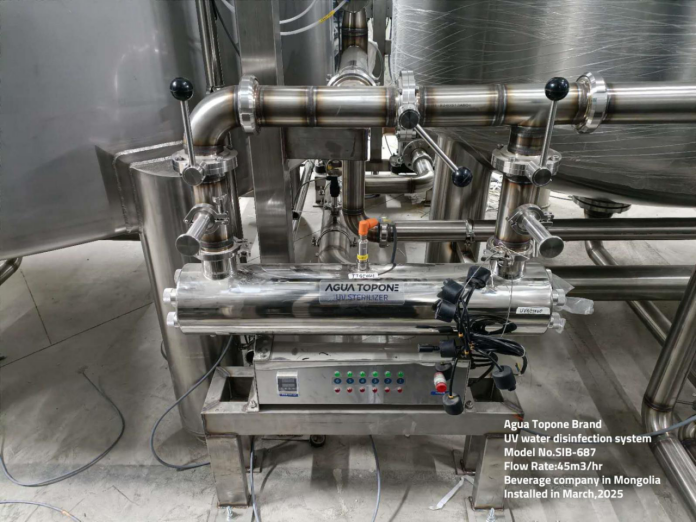
UV Disinfection Unit: We generally recommend installing the UV disinfection unit at the end of the whole-house water purification system. By this point, factors that could affect the efficiency of UV disinfection have already been addressed by the previous filtration stages. When selecting a UV disinfection unit, it is important to choose one that matches your household’s water flow rate, and to select the appropriate model based on your home’s installation environment.
Working Principle: UV light disrupts the DNA of bacteria and viruses, rendering them inactive and unable to reproduce.
Advantages: It disinfects without the use of chemicals, making the water safe to drink.
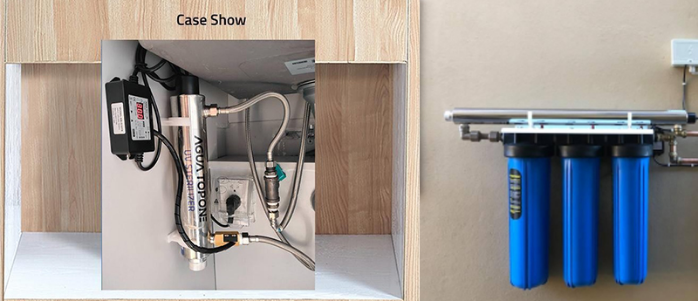
A whole-house water purification system is a key element in achieving a healthy, safe, and sustainable lifestyle. Choosing such a system ensures that the water quality at all points of use in the home meets safety and health standards. Although treated tap water can meet basic hygiene requirements, harmful substances like residual chlorine, heavy metals, sediment, and bacteria may still be present during transportation. A whole-house water purification system effectively removes these contaminants, ensuring that the water from every faucet, shower, and household appliance is clean and safe.
comment (02)
Jenny Wilson
19 June 2023Rating:
Lorem ipsum dolor sit amet, consectetur adipiscing elit, sed do eiusmod tempor incididunt ut labore et dolore magna aliqua. Ut enim ad minim veniam, quis nostrud exercitation ullamco laboris nisi ut aliquip ex ea commodo consequat aute irure dolor in reprehenderit.
Marvin McKinney
19 Feb 2024Rating:
Lorem ipsum dolor sit amet, consectetur adipiscing elit, sed do eiusmod tempor incididunt ut labore et dolore magna aliqua. Ut enim ad minim veniam, quis nostrud exercitation ullamco laboris nisi ut aliquip ex ea commodo consequat aute irure dolor in reprehenderit.